
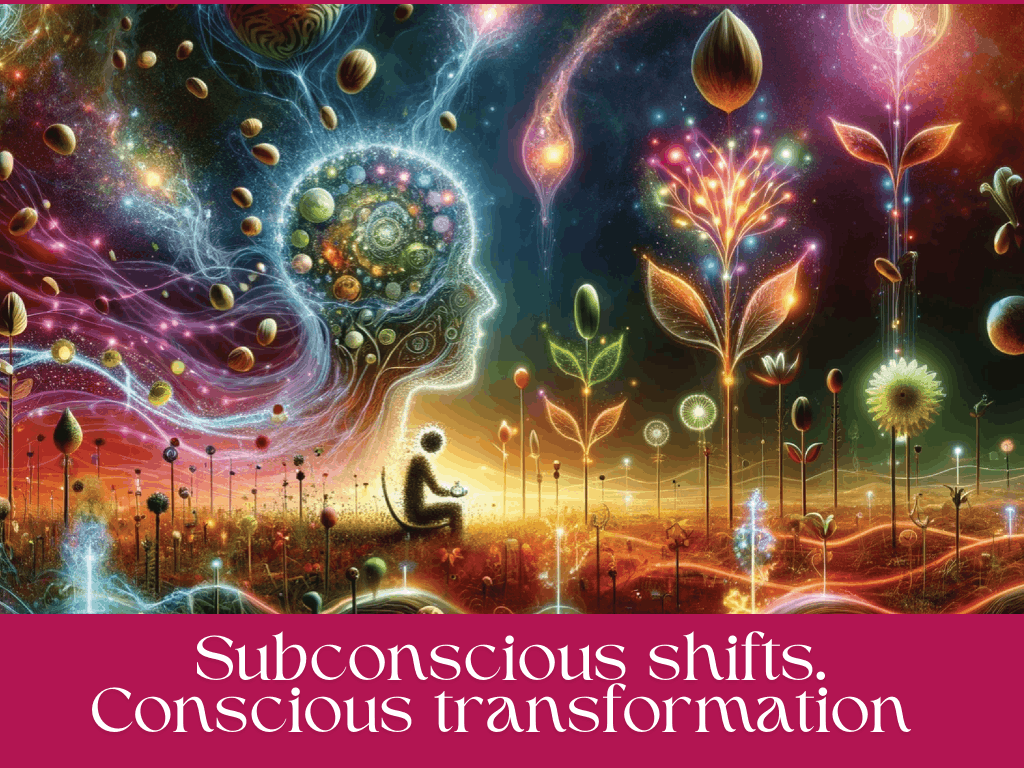
You don’t have to keep pushing through on willpower alone. Sometimes the answers are already within you — they just need a little help rising to the surface.
Most people who find their way to hypnotherapy have already tried everything else. They’ve journaled, talked it out, pushed through. Hypnotherapy is for those ready to go deeper. Here are seven signs it might be the right fit for you. Hoffman Estates, IL hypnotherapy offers a way to work at that deeper level, helping you create meaningful and lasting transformation.
- You know what you want to change, but can’t make it stick
You’ve set the intentions, made the plans, maybe even made progress — only to slide back into old patterns. This isn’t a willpower problem. Real change often has to happen at the subconscious level, where habits and beliefs actually live. That’s exactly where hypnotherapy works.
“I know better, so why do I keep doing this?”
- You carry anxiety that logic can’t touch
You can tell yourself you’re safe. And still the anxiety, fear, worry is there. That’s because anxiety isn’t rooted in logic — it lives in the nervous system and the subconscious. Hypnotherapy helps calm the deeper patterns keeping the anxiety loop running, even when your rational mind knows better.
You’ve reasoned with it. Now it’s time to go beneath it.
- Something from your past is still running the show
Old experiences — especially from childhood — can quietly shape how we respond to the world long after the event is over. If you keep hitting the same emotional walls or reacting more intensely than the moment calls for, there’s often an older story underneath. Hypnotherapy helps you gently revisit and reframe it.
You’re not broken. You’re working with old programming.
- You have a habit you genuinely want to let go of
Smoking, stress eating, doom-scrolling — habits are just the subconscious mind’s way of meeting a need. Hypnotherapy doesn’t use shame or force. It uncovers what need (or purpose/intent) the behavior is trying to meet, then finds a healthier way to meet it. Many people are surprised by how naturally the old habit loses its pull.
Every habit is serving a purpose. Let’s find a better one.
- You have a fear that feels out of proportion
Fear of flying, public speaking, needles, or heights — phobias feel irrational but can quietly limit your entire life. They’re almost always tied to a specific memory or association stored in the subconscious. Hypnotherapy is one of the most effective approaches for phobias because it works at exactly the level where they’re held.
Fear is learned. Which means it can be unlearned.
- You have physical symptoms with no clear cause
The mind and body are not separate. Unprocessed stress and emotion can show up as chronic tension, headaches, digestive issues, or fatigue. Hypnotherapy has solid research behind it for pain management and stress-related symptoms. If you’ve been told you’re “fine” but don’t feel it, this is worth exploring.
Sometimes the body speaks what the mind hasn’t found words for yet.
- You feel disconnected from yourself
A quiet sense of going through the motions. A feeling that you’ve lost touch with who you are or what you want. Sometimes there’s no dramatic cause — just a slow drift from your own center. Hypnotherapy helps you access the deeper layers of yourself that get buried under stress and noise. Many clients describe leaving a session feeling like they’ve come home.
You haven’t lost yourself. You just need a way back.
Ready To See What’s Possible?
If any of these signs felt familiar, you don’t have to keep pushing through alone. Hypnotherapy is a gentle, collaborative process — and you are always in control. The first step is simply a conversation. Book a free consultation and let’s explore what working together could look like for you
Does Hypnotherapy Work on Everyone?
Hypnotherapy has long been shrouded in mystery, pop culture myths, and a fair amount of skepticism. Images of swinging pocket watches and people clucking like chickens haven’t done much to help its reputation. But behind the theatrical portrayal lies a legitimate and effective therapeutic technique that has infinite possibilities — one that has helped thousands of people overcome anxiety, break habits, manage chronic pain, heal inner child wounds, break free from limiting beliefs and behavioral patterns that they’ve lived with for years, and become more confident, empowered, centered, and aligned with the life they want to live. The real question is: does it work for everyone?
The short answer is no — and understanding why is actually fascinating.
What Is Hypnotherapy, Really?
Hypnotherapy uses a guided state of relaxed awareness and focused attention — known as a hypnotic trance — to access the subconscious mind (bypassing the critical “thinking” or cognitive mind that so often gets in our way). In this state, people are thought to be more open to suggestion (believing in the ability to make changes and shifts that stick), making it easier to reframe negative thought patterns, reduce fear responses, or reinforce positive behaviors. It is used to address everything from smoking and weight loss to phobias, IBS, and post-traumatic stress.
Unlike what movies suggest, you are not asleep or unconscious during hypnotherapy. You remain completely aware of your surroundings and in control of your actions. No hypnotherapist can make you do something against your will.
Backed by Neuroscience
Your brain is a fascinating and complex organ. Through hypnotherapy, you help rewire and re-sculpt your brain through neuroplasticity.
Hypnotherapy works by tapping into the brain’s natural ability to enter (natural) altered states of consciousness, much like daydreaming or deep relaxation. In these states, the brain becomes more receptive to suggestions, allowing you to explore and reframe thoughts, feelings, and memories that may negatively influence your behavior, relationships, and overall wellbeing. This process facilitates the creation of new neural pathways, which can help replace negative patterns (some unhealthy, some that have served a purpose in the past) with healthier ones. By focusing on specific issues, hypnotherapy rewires these pathways, making it easier for someone to adopt positive habits, overcome fears, release trauma from the body, recode a past memory,. Essentially, it harnesses the mind’s power to create lasting change.
The Role of Hypnotic Susceptibility
Here’s where things get interesting. Research consistently shows that people vary significantly in their level of “hypnotic susceptibility” — essentially, how easily and deeply they can enter a hypnotic state. Studies estimate that around 10 to 15 percent of people are highly hypnotizable, about 20 percent are difficult or impossible to hypnotize, and the majority of people fall somewhere in the middle.
This isn’t a matter of intelligence or willpower. It appears to be a stable neurological trait, somewhat like the ability to visualize vividly or become deeply absorbed in a book. Brain imaging studies have shown that highly hypnotizable individuals display measurably different patterns of brain activity during hypnotherapy compared to those with low susceptibility.
Additionally, hypnotic susceptibility can be influenced and enhanced through practice of hypnotherapy.
- Familiarity with the Process: The more you practice hypnotherapy and build a collaborative therapeutic relationship with your clinician, the more comfortable you become with the process, which can lead to deeper states of relaxation and increased openness and responsiveness to suggestions.
- Mindset and Expectation: Regular practice can foster a positive mindset toward hypnotherapy, making you more open to the experience and more likely to achieve heightened suggestibility.
- Neural Adaptation: Engaging in hypnotherapy repeatedly helps reinforce neural pathways associated with relaxation and suggestibility, making it easier for individuals to enter hypnotic states in the future.
- Techniques and Skills: With practice, you can learn various techniques (based on what works best for you) and deepen your understanding of self.
What Affects Whether It Works?
Beyond natural susceptibility, several factors influence how effective hypnotherapy will be for any given person. Motivation matters enormously — someone who genuinely wants to change a behavior, is open to the process, and actively engaged in change work is far more likely to respond well than someone who feels pressured into it (ie. a partner who places an ultimatum if you don’t quit your habit now…). Trust in the therapist, a willingness to let go of conscious control, and a belief that the process can work all play meaningful roles.
The Bottom Line
Hypnotherapy is a genuinely useful tool for many people. Its effectiveness is shaped by biology, mindset, and the nature of the problem being addressed. If you’re curious about trying it, a qualified and accredited hypnotherapist can conduct an initial assessment to gauge your responsiveness before committing to a full course of treatment.
Learn more about hypnotherapy here.
Ready to transform your life? Join us for a personalized hypnotherapy session! Overcome stress, break negative habits, and unlock your potential. Take the first step toward a happier you — Contact Lotus Wellness Center today!
About the Author:
Liana Gerdov, CHT, LCPC, PsyD
As a Clinical Psychologist, Clinical/Spiritual Hypnotherapist, Shamanic Practitioner, and Reiki Master, Liana guides individuals through their most vulnerable moments, illuminating hidden aspects for profound healing and transformation. Her practice integrates traditional psychotherapy with holistic modalities, utilizing narrative, metaphor, ritual, and creative expression to map clients’ inner landscapes. She specializes in helping individuals navigate anxiety, dark night of the soul of the soul, inner child healing and greater integration, trauma, grief, life transitions, and so much more…fostering a deeper connection between mind, body, and soul.