Empowering, compassionate, and deeply holistic, honoring the connection between mind, body, and soul. We meet you with care, curiosity, and respect, blending evidence-based practices with integrative healing to support emotional balance, physical regulation, and inner resilience.
If you are feeling sad, confused, overwhelmed, or emotionally unbalanced, our Schaumburg, IL depression therapy specialist may be able to help you.
Table of Contents
A person who is suffering from depression may feel as if they are the only way that feels this way, but the truth is that many people in Illinois and across the nation struggle with depression at one time or another. Sometimes people can experience temporary depression where they experience deep, lingering feelings of sadness or helplessness.
While it may be common, depression can also be a serious condition that impacts not only a person’s mental health, but also their physical health and in some situations can lead the person to consider suicide. It can impact a person’s ability to function in their daily life, complete their work, communicate with family and friends, and accomplish their goals. If depression is not treated, it can cause a person’s condition to worsen. However, there is help available if you are someone who is struggling with depression. If you or a loved one is struggling with depression, Lotus Wellness Center can help.
How Common Is Depression?
Depression is one of the most common mental health conditions, afflicting many people every year. According to national statistics, one in 10 adults in this country report they have had depression at one time or another. The majority of people who have depression have their first episodes of depression when they are in their late teens or early twenties.
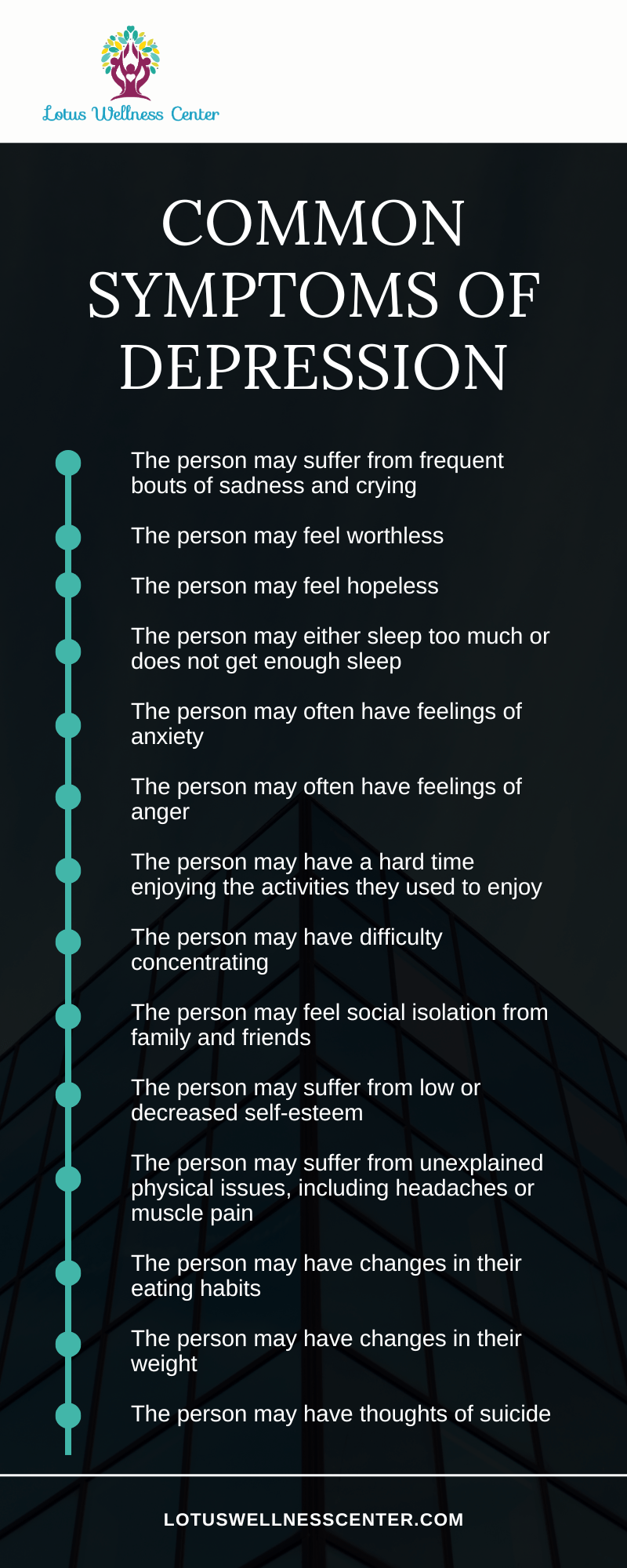
The symptoms of depression vary from person to person and can also depend on their age, gender, and even their culture. However, there are some symptoms that are very common:
The person may suffer from frequent bouts of sadness and crying.
The person may feel worthless.
The person may feel hopeless.
The person may either sleep too much or does not get enough sleep.
The person may often have feelings of anxiety.
The person may often have feelings of anger.
The person may have a hard time enjoying the activities they used to enjoy.
The person may suffer from low or decreased self-esteem.
The person may suffer from unexplained physical issues, including headaches or muscle pain.
The person may have changes in their eating habits.
The person may have changes in their weight.
The person may have thoughts of suicide.
A person who is dealing with depression often has difficulty dealing with everyday stresses. What may be a minor issue to someone without depression can feel like a severe event for someone who struggles with depression. They may become suddenly overwhelmed with their daily routine or find it difficult to do simple tasks, brush off minor social conflicts, or rationalize certain problems. It is not uncommon for even what should be the simplest of activities, such as getting up in the morning, showering, or dressing can feel overwhelming.
Even when something good or happy happens, a person who has depression can even have a hard time being excited about those events. They may have a hard time verbally communicating their issues or not know how to express their thoughts or feelings to others.
Other emotions that a person who has depression often struggles with are irritation, anger, and shame, but these emotions can actually manifest as physical aches, pains, and nausea. To other people who are not aware of their condition, their drastic change in behavior may come across as them being lazy, impatient, or more aggressive.
Depression can also leave people feeling emotionally drained or numb, listless, with no energy. A person struggling with depression can feel different symptoms at different points in time, with symptoms ranging in severity.
A person can develop depression because of physical causes or circumstances in their lives. Multiple studies have shown that the brain’s chemistry can have a significant impact on a person developing depression. If the brain doesn’t make enough serotonin or dopamine – two chemicals that ensure our ability to feel happiness and ensure our well-being – the person can develop depression.
A traumatic event can also help cause a person to develop depression. Life events such as the sudden death of a loved one or loss of a job can trigger depression. Issues such as chronic illness, domestic violence, bullying, assault, divorce, and social isolation can all contribute to depression.
Why Consider Therapy?
Depression therapy in Schaumburg, Illinois, can provide you with a degree of mental or emotional relief that you might struggle to find elsewhere. One of the most obvious reasons to consider therapy is to find relief that is both long lasting, as well as immediate, from the challenges you are facing.
It is important for individuals to seek help so that they cope with their condition or issues in a constructive way. Therapy can offer patients support from a trained professional, who can suggest exercises for patients to practice outside of a therapy session. With therapy, a person who is aware that they are going through a depressive episode can use tools that they learned in therapy to better manage their triggers. Depression therapy can offer you the consistent guidance and help you need so that you are not struggling alone.
Whether you are feeling anxious, stressed, depressed, or suffering from a loss or the impact of a traumatic experience, therapy may help you to overcome your challenges.
Therapy Is An Investment In Yourself
Life brings us the opportunity for growth. We learn how to work well, take care of our physical health, and manage our finances. However, we receive very little guidance on how to manage our interpersonal growth. Mental health is often neglected, and there is not as much emphasis placed on it as much as physical health.
Therapy enables you to feel empowered and find solutions for problems that are affecting your mental health. Just like with physical health, mental health should be regularly addressed, monitored, and managed so that you feel and stay healthy. By utilizing therapy, you are investing in your wellbeing and expanding your opportunities for emotional growth. In turn, the benefits gained from therapy can translate into improved physical health. Depression therapy in Illinois provides a safe, professional space to take time out to improve ourselves.
Some goals you might have could include:
Improving your self-esteem and self-worth
Creating healthier thought patterns and behaviors
Improving relationships
Finding a balance
Feeling happier about yourself and/or life
You might also notice growth, such as:
Resolve concerns
Heal from past experiences
Find a purpose in life
Therapy can help you to improve not only your symptoms of depression, but your life as a whole.
Therapy Can Boost Your Self Esteem And Communication Skills
If you are struggling with your self esteem, self worth, and confidence, therapy is one of the best ways to identify the underlying causes and learn tools to overcome them. It is a powerful tool for widening your capacity for self-awareness, honing in on the core obstacles that are hindering you. Through set methods, backed by research, you can learn to:
Identify thoughts that are making you sad, less confident, or upset.
Reframe these thoughts.
Utilize the new thought patterns to boost your confidence, self esteem, and overall well being.
Manage stress and anxiety.
Improve your communication skills.
Boost your sense of self.
Depression tends to develop because of underlying issues. These can be anything, but often are associated with abuse, trauma, grief, low self-esteem, and so forth. By working with a therapist who understands the rooted problems, or in other words the origins of your issues, and how they are affecting you, you can begin to overcome them in a practical, sustainable, and authentic way.
Having the support of a therapist allows you to express your thoughts and issues openly without criticism or judgement. Maybe you have several solutions to your problems already in mind, and a therapist can simply guide you in the best direction or offer insights to help inform your decision-making.
One of the most notable benefits of therapy for depression is that you will learn about the intricacies of the challenges you’re personally facing. You will understand the depression, and its roots, how the brain functions, why you are being affected by certain people or environments, and so forth. A therapist can present your problems in different ways, allowing you to view them from different perspectives. With the new information, you can explore new approaches you have not previously considered before.
Seeking a therapist for depression, or any other issues, can take courage. However, once you take those first steps, you will very likely not regret the decisions you have made. If you would like to know more about depression therapy, and whether or not it may be right for you, please reach out to the Lotus Wellness Center. One of our certified therapists would be happy to provide you with a brief consultation about our services.
Let Us Help
To learn more about how depression therapy in Schaumburg can help you regain control of your life again, contact Lotus Wellness Center today.
Schaumburg Depression Therapy Infographic
Schaumburg Depression Statistics
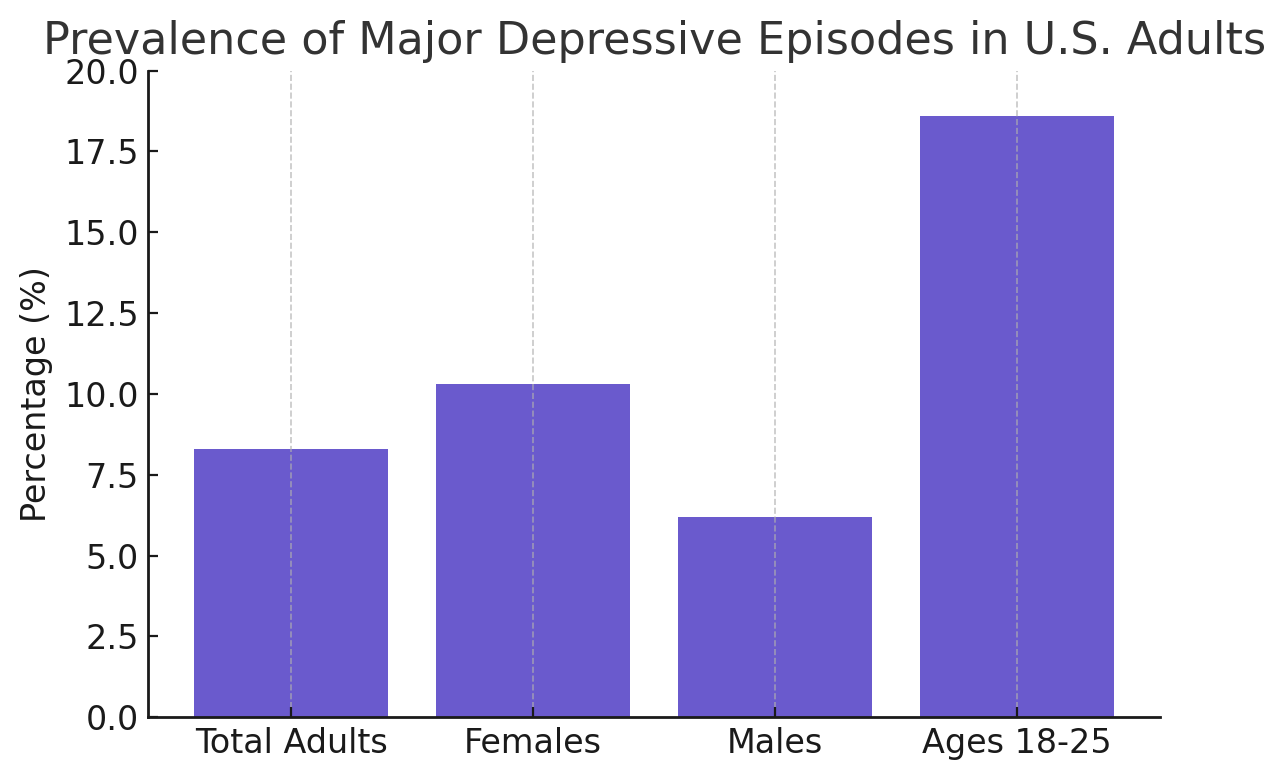
Depression significantly impacts the global population, affecting various demographics differently. In the United States, approximately 21 million adults, representing 8.3% of the adult population, have experienced at least one major depressive episode. This prevalence is notably higher among females (10.3%) compared to males (6.2%), and the highest rates are found in individuals aged 18-25, with 18.6% reporting such episodes.
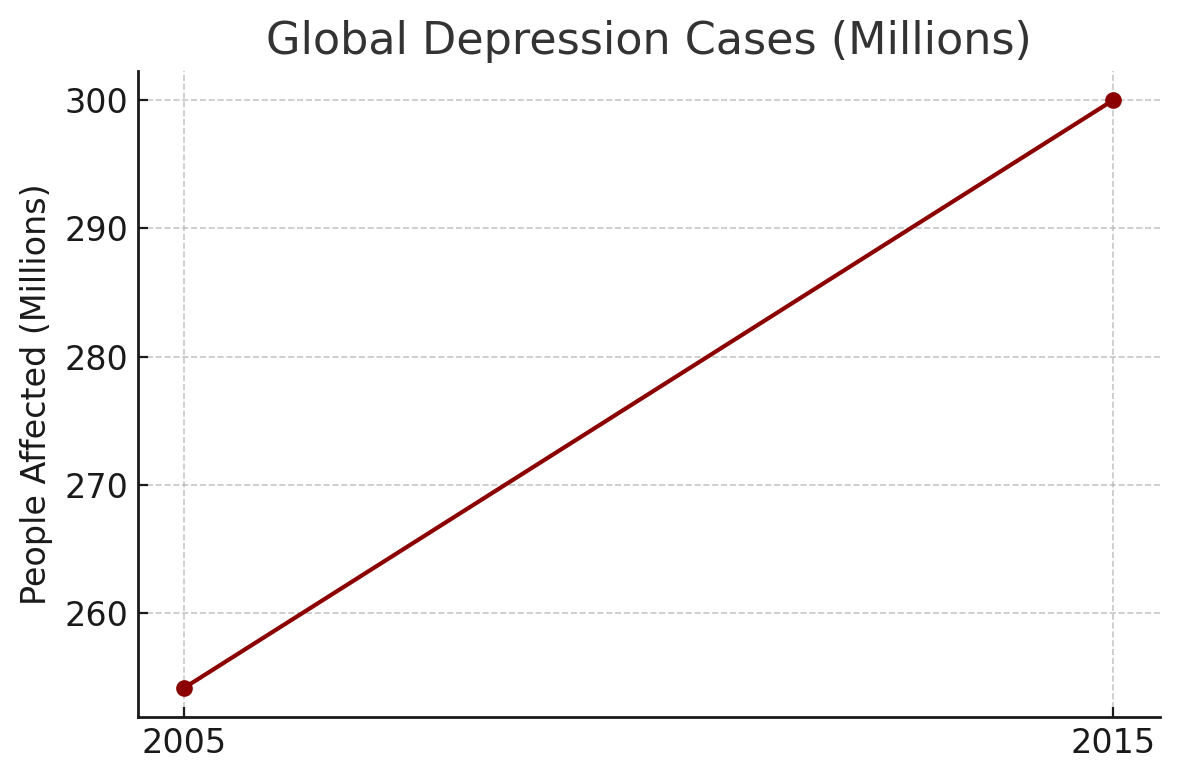
Globally, depression is a leading cause of disability, with the World Health Organization estimating that over 300 million people worldwide are affected. The condition has seen an 18% increase between 2005 and 2015, underscoring its growing impact.
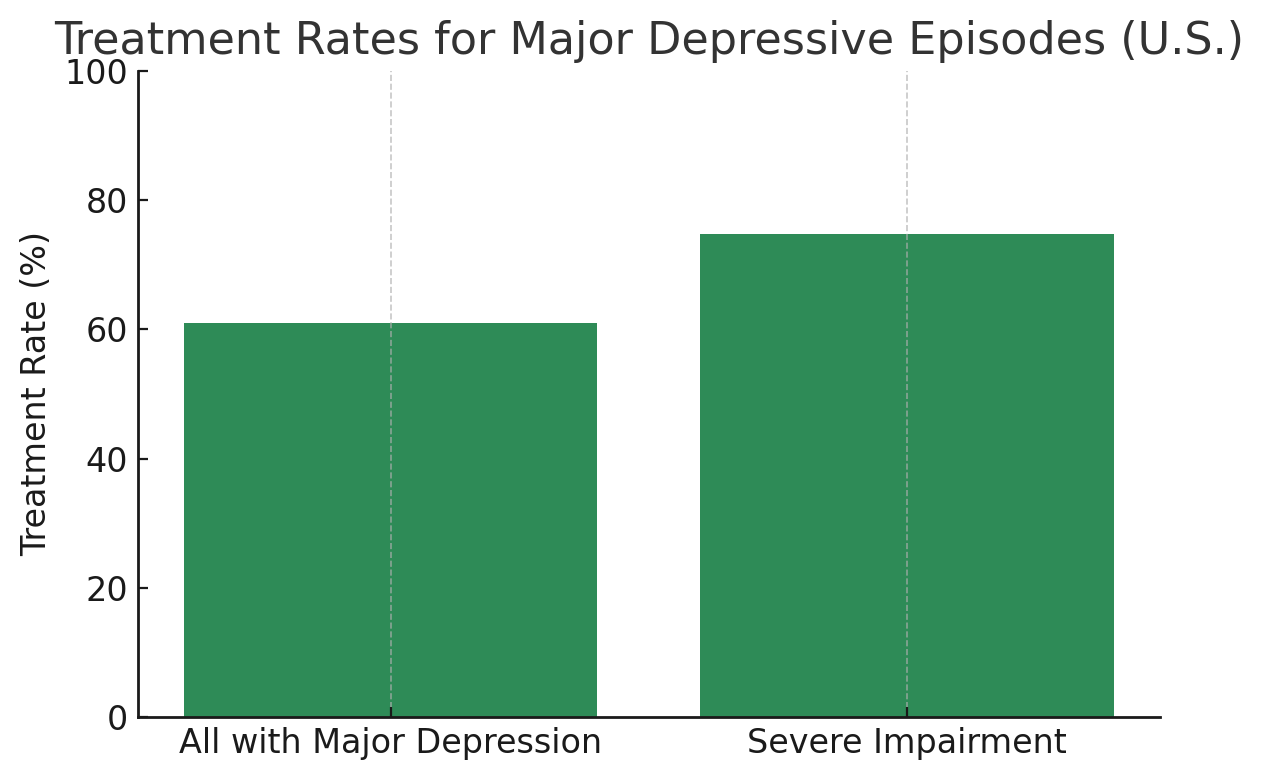
In terms of treatment, approximately 61% of U.S. adults with major depressive episodes received treatment in the past year, with this figure rising to 74.8% among those experiencing severe impairment. Despite this, many individuals, particularly in low- and middle-income countries, do not have access to adequate care, highlighting the need for improved mental health services and support systems.
Depression Therapy FAQs
If you’re battling depression, consider depression therapy. Here are some frequently asked questions and answers about depression therapy.
What Is Depression Therapy?
Depression Therapy, also known as psychotherapy or counseling, is a specialized form of mental health treatment designed to help individuals cope with and overcome depressive symptoms. It involves confidential conversations with a trained therapist to explore feelings, thoughts, and behaviors contributing to depression.
When Should Someone Consider Depression Therapy?
Individuals should consider Depression Therapy when experiencing persistent feelings of sadness, hopelessness, or a loss of interest in activities. If these symptoms interfere with daily life, relationships, or work, seeking therapy can provide valuable support and tools for managing depression.
How Does Depression Therapy Work?
Depression Therapy typically involves one-on-one sessions between the individual and a therapist. The therapist uses various therapeutic approaches to explore and address the underlying causes of depression. Cognitive-behavioral therapy (CBT), psychodynamic therapy, and interpersonal therapy are common modalities used to help individuals develop coping strategies and achieve emotional well-being.
Can Depression Therapy Be Done Online?
Yes, many therapists offer online Depression Therapy sessions through secure video conferencing platforms. Online therapy provides accessibility and convenience, allowing individuals to receive support from the comfort of their own space. It is essential to ensure that the online therapy platform complies with privacy and confidentiality standards.
How Long Does Depression Therapy Typically Last?
The duration of depression therapy varies based on individual needs and the severity of depression. Some individuals may find relief in a few sessions, while others may benefit from longer-term therapy. Therapists work collaboratively with clients to establish treatment goals and determine the appropriate duration.
Is Depression Therapy Only For Severe Cases?
No, Depression Therapy is suitable for individuals with varying levels of depression, from mild to severe. Therapists tailor their approaches to the specific needs of each individual, addressing symptoms and providing support to enhance overall mental well-being.
Can Depression Therapy Be Combined With Medication?
Yes, Depression Therapy can be combined with medication as part of a comprehensive treatment plan. Many individuals with depression benefit from a combination of therapy and medication prescribed by a psychiatrist or healthcare provider. The decision to include medication is based on the severity of symptoms and individual preferences.
How Do You Find The Right Therapist?
Finding the right therapist involves considering factors such as therapeutic approach, experience, and compatibility with the individual’s preferences. Individuals can explore therapist directories, read reviews, and schedule initial consultations to determine if the therapist is a good fit for their needs.
Are There Self-Help Strategies That Complement Depression Therapy?
Yes, individuals undergoing Depression Therapy can complement their treatment with self-help strategies. These may include practicing self-care, maintaining a healthy lifestyle, engaging in activities that bring joy, and connecting with supportive friends and family. Therapists often provide guidance on incorporating these strategies into daily life.
How Can I Encourage A Loved One To Seek Therapy?
Encouraging a loved one to seek help requires open communication, empathy, and non-judgmental support. Expressing concern, offering assistance in finding a therapist, and emphasizing the positive impact of therapy can help individuals feel more comfortable seeking the help they need.
If you want to try Schaumburg depression therapy, contact a reputable therapist. At Lotus Wellness Center, we are here to help you.
Schaumburg Depression Therapy Glossary
When clients seek help through our Schaumburg depression therapy services, it’s important to understand how certain legal concepts may relate to their circumstances. Emotional and psychological issues can intersect with legal matters in various ways, particularly when legal representation involves mental health considerations in broader legal contexts. Below, we’ve defined several key terms that help explain how depression-related issues may appear in legal cases. These terms are meant to provide clarity and support for clients who may be managing depression and related challenges while involved in legal proceedings.
We’ve included these explanations to better support clients working with our law firm and to provide additional insight into how depression therapy topics connect with legal services.
Emotional Distress Claims
An emotional distress claim refers to a legal action where an individual seeks compensation for psychological harm that has impacted their well-being. This may include anxiety, depression, or other mental health conditions resulting from another party’s conduct.
Emotional distress claims can be filed independently or as part of a broader legal case. These claims may arise in cases involving harassment, discrimination, or traumatic incidents. Supporting documentation from a mental health provider, such as depression therapy records, is often critical to substantiate the extent of the psychological impact.
Mental Health Documentation
Mental health documentation includes written records created by licensed therapists, counselors, or other behavioral health professionals during treatment. In legal contexts, this documentation may be used to support a client’s account of their emotional or psychological condition.
When someone is undergoing depression therapy, these records may detail diagnosis, treatment progress, therapeutic methods, and provider notes. Such documentation is sometimes requested during litigation to confirm the existence and severity of emotional harm, although legal protections around medical privacy may apply.
Psychological Evaluation
A psychological evaluation is a structured assessment performed by a qualified mental health professional. It helps determine the individual’s cognitive, emotional, and behavioral functioning.
In some legal proceedings, such evaluations may be requested to assess a person’s mental state in connection to the case. This can occur in matters such as family law disputes, employment cases, or personal injury claims. For clients receiving depression therapy, the results of a psychological evaluation can support a clearer understanding of their mental health history and current condition.
Workplace Accommodation Requests
Workplace accommodation requests are formal requests submitted by employees who need adjustments or modifications in their job duties or work environment due to a medical or mental health condition. Clients dealing with depression may submit these requests under applicable employment laws.
Supporting documentation from a therapist or provider involved in depression therapy may be helpful in explaining the need for changes such as flexible scheduling, workload modifications, or access to mental health days. Legal representation can assist with reviewing accommodation denials or negotiating terms with employers.
Mental Health-Related Discrimination
Mental health-related discrimination occurs when an individual is treated unfairly in a workplace or other setting due to a mental health condition such as depression. In legal cases, this term is often used when addressing violations of employment laws or human rights protections.
Evidence such as therapy records, formal diagnoses, or communication between the employer and the employee may be important in proving discriminatory actions. Depression therapy, including records from providers like Lotus Wellness Center, can help demonstrate how a client’s condition has been addressed and the impact of any related mistreatment.
Let’s Talk
If you or a loved one is receiving Schaumburg, IL depression therapy and need legal guidance related to emotional harm, workplace issues, or discrimination, contact our law firm today. We’re here to support your legal rights while you focus on your well-being.
In the tapestry of existence, each thread weaves a story that transcends time and space. Many believe that our souls journey through multiple lifetimes,…
Attachment styles play a crucial role in how we relate to others, influencing our behaviors, emotions, and communication in relationships. Rooted in early childhood…
Hypnotherapy is often surrounded by mystery, misconceptions, and intrigue. Many people approach it with curiosity but also a hint of skepticism. So, what does…
Reflexology is an ancient therapeutic practice that focuses on the reflex points in the feet, hands, and ears, corresponding to different organs and systems…



 If you are feeling sad, confused, overwhelmed, or emotionally unbalanced, our Schaumburg, IL depression therapy specialist may be able to help you.
A person who is suffering from depression may feel as if they are the only way that feels this way, but the truth is that many people in Illinois and across the nation struggle with depression at one time or another. Sometimes people can experience temporary depression where they experience deep, lingering feelings of sadness or helplessness.
While it may be common, depression can also be a serious condition that impacts not only a person’s mental health, but also their physical health and in some situations can lead the person to consider suicide. It can impact a person’s ability to function in their daily life, complete their work, communicate with family and friends, and accomplish their goals. If depression is not treated, it can cause a person’s condition to worsen. However, there is help available if you are someone who is struggling with depression. If you or a loved one is struggling with depression, Lotus Wellness Center can help.
If you are feeling sad, confused, overwhelmed, or emotionally unbalanced, our Schaumburg, IL depression therapy specialist may be able to help you.
A person who is suffering from depression may feel as if they are the only way that feels this way, but the truth is that many people in Illinois and across the nation struggle with depression at one time or another. Sometimes people can experience temporary depression where they experience deep, lingering feelings of sadness or helplessness.
While it may be common, depression can also be a serious condition that impacts not only a person’s mental health, but also their physical health and in some situations can lead the person to consider suicide. It can impact a person’s ability to function in their daily life, complete their work, communicate with family and friends, and accomplish their goals. If depression is not treated, it can cause a person’s condition to worsen. However, there is help available if you are someone who is struggling with depression. If you or a loved one is struggling with depression, Lotus Wellness Center can help.